HEDAMOWhat HEDAMO is
HEDAMO is a disclosure methodology for structuring producer-declared product information into portable product profiles. It helps product information become easier to compare, reuse, and understand across buyers, institutions, researchers, and markets.
What HEDAMO does not do
HEDAMO structures disclosure. It does not certify, verify, approve, validate, or make regulatory determinations. Producers own their declarations. Jurisdictions determine admissibility. HEDAMO makes product information more structured, visible, and reusable.
A product profile is the reader-facing form of a structured disclosure: producer-declared information, source references, visible gaps, and version history organised in one consistent shape.
Four products. The same structure.
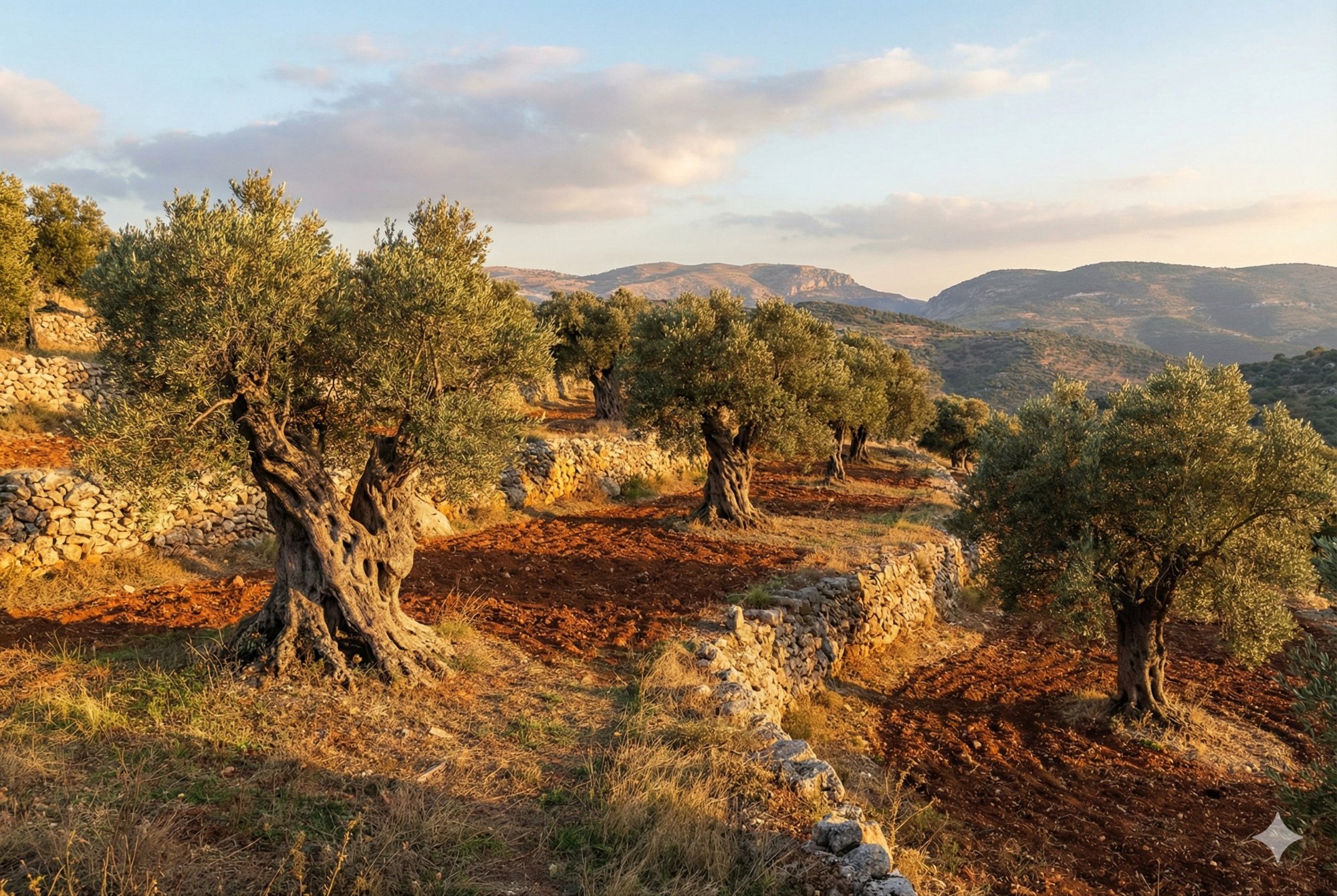
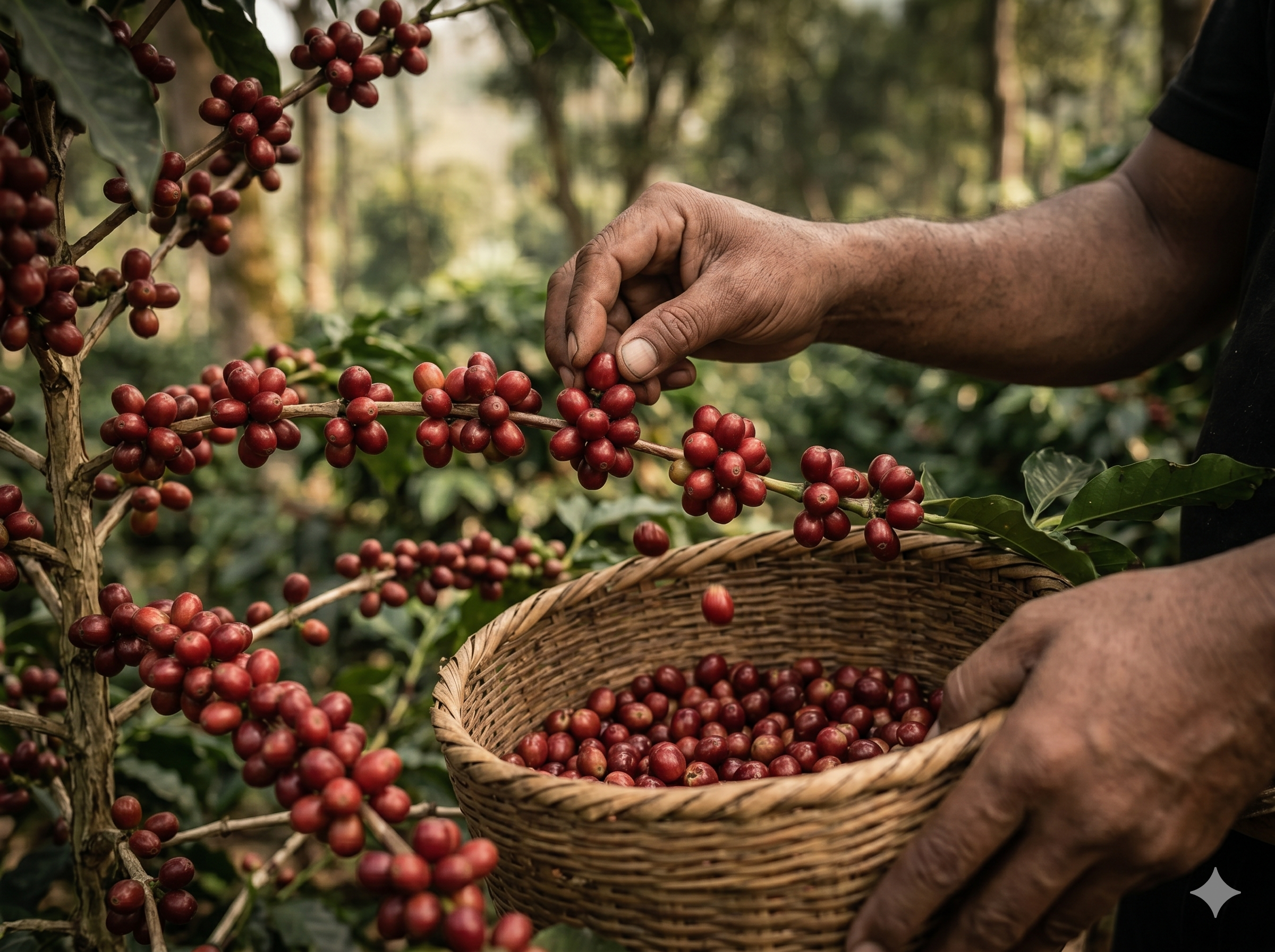
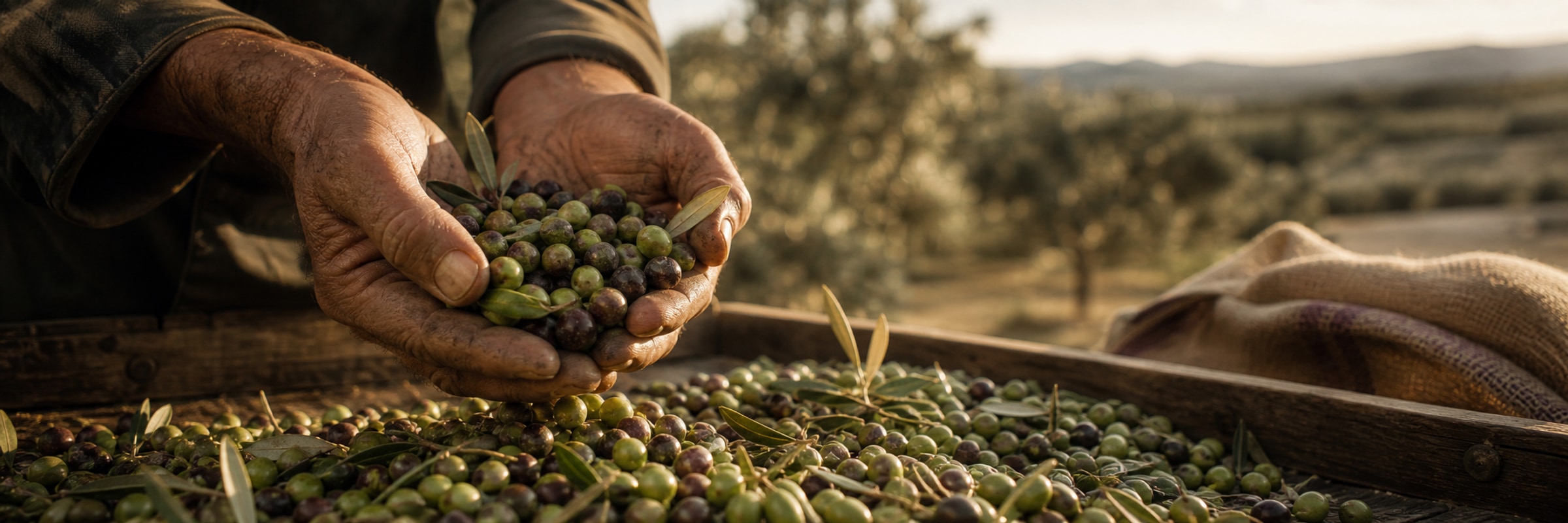
An olive oil from Jordan, a cardamom from Kerala, a rice from Telangana, a coffee from Sidamo. Different products, different markets, different stories — read in one shape. Pick the one that speaks to your work.
What the producer knows. What the buyer receives.
A cardamom grower in Kerala documents origin, cultivar, harvest date, and drying method. By the time the product reaches a buyer in Hamburg, all that remains is a commodity code, a fumigation certificate, and a price per kilogram.
The producer’s information didn’t travel. Not because it didn’t exist — but because nothing structured it for the journey.
Four things change when a product profile travels.
Less repetition
Producers document once. The profile travels to every buyer and institution.
Clearer decisions
Buyers and governments see what was declared — and what was not.
Visible gaps
Where information is missing, the gap is shown. Not hidden. Not inferred.
Portable across markets
The same profile reads in Berlin, Delhi, and Tokyo on the same terms.
How a profile travels.
One profile. Different questions.
A buyer reads origin and testing. A government reads gaps and coverage. A producer reads what has been declared, and what is still missing. Same product profile, different readings.
“What is behind the label?”
You can read beyond the label — what the producer declared, what supports it, and what remains unstated.
Producer“Does my distinction travel?”
You are no longer invisible behind a commodity code.
Buyer“What am I actually sourcing?”
You can tell the difference between a premium product and a commodity before you commit.
Government“What is declared and what is not?”
You can see what's actually in the food supply you're procuring for citizens.
Trade body“Can producers be seen beyond commodity codes?”
Your producers' distinction becomes visible in global markets.
Standards & evidence bodies“Can our evidence sit in context?”
Your outputs stop being isolated documents. They become part of a product-level record that travels.
Researcher“Can this be compared across producers?”
Product-level information becomes comparable across producers, origins, and contexts.
Declare once, reuse many
A structured product profile that travels with the product.
Think of it as a structured digital profile for a product. HEDAMO defines what goes into that profile. Technology partners build systems around it. Producers document the product. Buyers and institutions can read the product properly.
Certification evaluates. Traceability tracks. Regulation decides. HEDAMO structures. These are different functions. They coexist.
The research behind the structure.
- SGPIS · 01
The Limits of Single-Score Nutrition Labels
Published - SGPIS · 03
The Information Gap in Food Trade Corridors
Published - SGPIS · 05
What the Product Knows: India's Missing Intelligence Layer
Published
Selected papers from an ongoing research series.
Share the product information problem you are trying to solve.
Three routes below. Each is a different kind of conversation. Choose the one that matches the work in front of you.
HEDAMO is a disclosure methodology developed by Altibbe Inc., a research-and-standards organisation focused on product information systems.
Altibbe Research publishes the Structural Gaps in Product Information Systems series, which studies how producer-level information is generated, lost, and made non-portable across markets and institutions.
As regulation, procurement, and trade documentation increasingly ask for structured product information, the disclosure layer needs a methodology.